How to Train Your Dog to Thrive in Every Denver Season
Denver offers incredible opportunities for dogs and their owners, from hiking trails and brewery patios to snowy mountain adventures. However, each season brings its own unique dog training challenges. Preparing your dog for these situations before they arise can help keep them safe, confident, and well-behaved year-round.
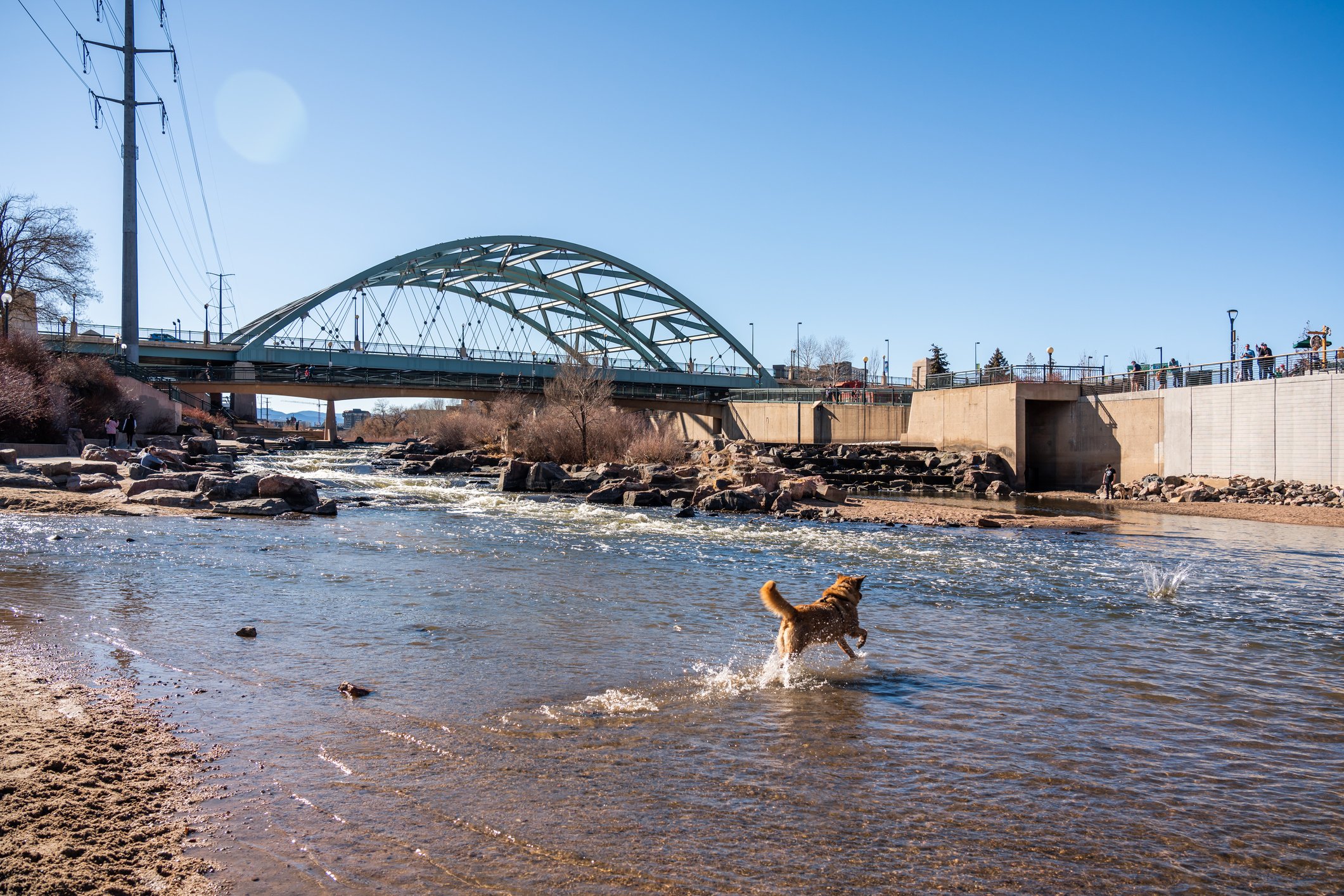
Tips for Navigating Denver's Altitude
Denver, known as the Mile High City, sits at an elevation of over 5,000 feet. Denver's elevation can affect dogs just as much as it affects people, including impacting a dog's energy levels and breathing. Many dogs adapt quickly, but some may tire more easily during hikes, long walks, or outdoor adventures as they adjust to the thinner air. Rather than jumping straight into strenuous activities, gradually build your dog's physical conditioning and monitor them for signs of fatigue.
Altitude is a good reminder not to push your dog beyond their current capabilities. A tired dog is more likely to make poor decisions, ignore commands, or struggle to focus. Start with shorter outings, build endurance over time, and prioritize engagement and reliability before tackling more challenging adventures.
Acclimation is Key: Allow your dog time to adjust to the altitude, especially if you're new to the area or if your pet is a puppy.
Hydration is Crucial: Ensure your dog has constant access to fresh water to prevent dehydration.
Monitor for Altitude Sickness: Watch for signs of altitude sickness in your dog, including excessive panting, lethargy, or lack of appetite, and consult a vet if needed.
Summer Dog Training Tips
Outdoor Etiquette and Trail Skills
Colorado summers mean more time outdoors, hiking, camping, and exploring. Before heading into the mountains, your dog should have the skills necessary to safely navigate distractions such as wildlife, other dogs, cyclists, and hikers. The more freedom you give your dog outdoors, the more important their obedience becomes.
Reliable Recall: Before letting your dog off-leash, they should have rock-solid recall. Make sure they return immediately when called, even when distracted by wildlife, other dogs, or exciting scents. A recall that only works in your backyard isn't enough for Colorado trails.
Strong "Leave It" Command: Whether it's a wildlife, discarded food, or another hiker's dog, your dog should be able to disengage from distractions when asked.
Rock-Solid Obedience: Basic commands such as heel, place, down, and stay are critical in real-world environments. Your dog should look to you for guidance in unexpected situations. Good obedience is crucial for safely manage your dog in the great outdoors.
Check out our blog post, The Seven Most Essential Dog Commands
Water Activities and Adventure Training
Whether you're paddleboarding, kayaking, or spending time around lakes and rivers, summer activities often introduce new environments and distractions. Take time to gradually introduce your dog to water, equipment, and unfamiliar surroundings rather than assuming they'll naturally know what to do.
Teach a Reliable Stay and Wait: Before bringing your dog near any open body of water, they should be able to remain calm and wait for direction rather than launching themselves into the water. The latter can pose a huge safety risk. Read an article where I discuss this here.
Build Strong Recall: Water can be highly stimulating for many dogs. A reliable recall can help you call your dog back from distractions, dangerous currents, wildlife, or deeper water if needed.
Don't Assume Your Dog is a Strong Swimmer: Not all dogs are natural swimmers, and even confident dogs can become fatigued in open water. Introduce water gradually and prioritize safety over confidence.
Wildlife Awareness and Distraction Training
Wildlife encounters are a normal part of life in Colorado. In urban areas, you’re sure to encounter rabbits, raccoons, skunks, prairie dogs, geese, and even coyotes. In the foothills and mountains, dogs may come across deer, elk, moose, black bears, rattlesnakes, and other wildlife. Regardless of the environment, the goal should be the same: your dog does not need to investigate every scent, sound, movement, or animal they encounter. Teaching your dog to remain calm and engaged with the handler can help prevent dangerous situations before they happen.
Teach a Strong "Leave It" Command: Your dog should be able to disengage from wildlife, animal scents, discarded food, and other environmental distractions when asked.
Focus on Neutrality Over Curiosity: Not every animal, scent, or movement requires investigation.
Build Engagement With the Handler: Reliable attention skills help keep your dog focused on you instead of chasing wildlife or disappearing into the brush.
Prepare for Rattlesnake Encounters: Rattlesnake safety for dogs in Colorado is important for all dog owners to know. Read our guide here! Teaching recall, leave it, and environmental awareness can help reduce the risk of dangerous encounters.
Navigating Denver's Social Dog Culture
Denver is one of the most dog-friendly cities in the country. From brewery patios and coffee shops to hiking trails, parks, and outdoor events, dogs are welcomed into many aspects of daily life. While these opportunities can be great for training and enrichment, they can also create challenges for dogs that struggle with behaviors like reactivity or anxiety.
The reality is that Denver dogs are often expected to navigate busy public spaces, frequent encounters with other dogs, and constant distractions. Preparing your dog for these situations can help them remain calm, confident, and well-behaved no matter where your adventures take you.
Patio Season and Public Manners
Denver's dog-friendly patios can be great fun, but only if your dog is ready for them. Before bringing your dog to a busy brewery or restaurant, they should be able to settle calmly around food, strangers, children, and other dogs. They should also have foundation obedience skills. Read our guide to Denver’s Dog-Friendly Patio Culture!
Socialization vs. Neutrality
One of the biggest mistakes Denver dog owners make is assuming every dog wants to socialize. While positive experiences with people, dogs, and new environments are important, socialization does not mean your dog should greet every person or dog they encounter.
A well-trained dog should be able to remain calm and neutral around distractions, regardless of whether another dog is friendly, reactive, or completely out of control. In many cases, teaching a dog to politely ignore other dogs is more valuable than encouraging constant interaction.
Teach Neutrality: Your dog should be able to walk past people and dogs without feeling the need to greet, play, or react.
Advocate for Your Dog: Don't be afraid to say no to unwanted interactions. Not every dog wants to meet your dog, and your dog doesn't need to meet every dog they see.
Respect Your Dog's Comfort Level: Confidence is built through positive experiences, not forced socialization. Allow your dog to observe and disengage rather than feeling obligated to interact.
Winter Training Tips
Understanding Seasonal Impacts on Dogs
Cold weather often leads to reduced exercise and fewer outdoor activities. Unfortunately, many behavior problems begin when dogs become mentally and physically under-stimulated. Seasonal Affective Disorder (SAD), can affect dogs in ways similar to humans. Common signs include lethargy, increased sleep, changes in appetite, disinterest in their usual activities, or clingyness or anxiety. Reduced exposure to natural sunlight can disrupt their circadian rhythm and lower serotonin levels, leading to mood changes. Dogs may also become bored or frustrated if poor weather limits their outdoor time for walks and play.
Maximize your dog’s exposure to sunlight, like walks during the brightest part of day and natural light
Keep your dog active and stimulated.
Strive to maintain a consistent routine for feeding, playtime, and exercise as dogs thrive within structure and stability.
Dogs look to their owners for cues on how to navigate the world and often mirror their behavior. If you’re slowing down during the season, your dog is likely to do the same. Staying active yourself will set a positive example for your dog, helping both of you stay engaged and healthy.
I was named an expert in an ApartmentGuide article on seasonal effects on dogs, check out the featured article here: Taking Care of Your Dog in Winter: Tips for Health & Comfort
Winter means more time inside. Read this post on how to make your dog a confident party animal!
Emergency Preparedness for Colorado Dog Owners
Wildfires, severe weather, wildlife encounters, and outdoor emergencies are all realities of living in Colorado. Every dog should have a reliable recall, crate skills, comfort with handling, and the ability to calmly load into a vehicle when needed. In an emergency, obedience can make a real difference when it comes to safety.
Final Thoughts
Living in Colorado offers incredible opportunities for dogs and their owners, but it also comes with unique challenges. From navigating Denver's dog-friendly culture to preparing for hiking trails, wildlife encounters, changing seasons, and outdoor adventures, a well-trained dog is better equipped to safely enjoy everything Colorado has to offer.
If you're struggling with obedience, reactivity, recall, or simply want to help your dog become a more confident and reliable companion, working with an experienced Denver dog trainer can make all the difference. At Ancillary K9, we help owners build the skills their dogs need to thrive in Denver's unique environment - whether that's on a busy patio, a mountain trail, or anywhere in between.
If you have questions or need help with your dog, reserve a complimentary consultation.